grammar
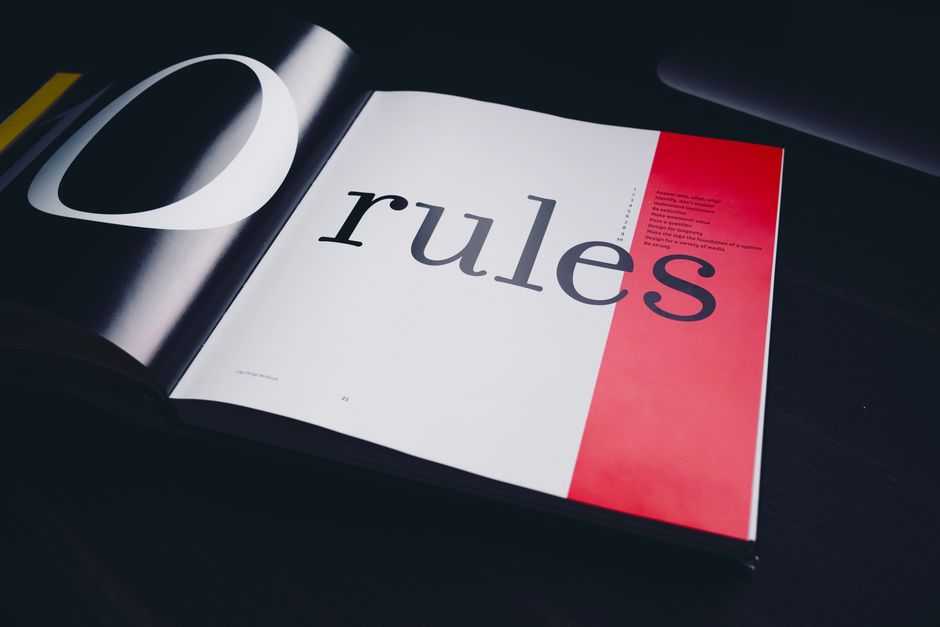
Ser vs Estar: The Rule That Finally Makes It Click
Spanish has two verbs meaning "to be" and the usual explanation, permanent versus temporary, is wrong often enough to keep you confused for years. Here is the version that actually holds.
grammarอ่าน 4 นาที


Por vs Para: A Rule That Survives Contact With Real Spanish
Both translate as "for," which is why every explanation built on translation fails. Here is the distinction that actually holds, plus the fixed expressions you should stop trying to derive.
grammarอ่าน 4 นาที

The Spanish Subjunctive: Which Phrases Actually Trigger It
The subjunctive is not a tense and it is not advanced grammar you can postpone. It is a mood with a specific job, and a manageable list of phrases that demand it.
grammarอ่าน 4 นาที

Preterite vs Imperfect: Spanish Past Tenses, Finally Clear
Spanish has two ways to talk about the past and English collapses both into one. The distinction is not about when something happened. It is about whether you are filming the scene or photographing it.
grammarอ่าน 3 นาที
คำถามที่พบบ่อย
บทความส่วนใหญ่เขียนโดยทีม OwnSlides ซึ่งเป็นครูสอนภาษาและผู้เรียนที่ร่วมสร้างผลิตภัณฑ์นี้ เรายินดีรับบทความจากผู้เขียนรับเชิญด้วย หากสนใจเขียน ติดต่อได้ที่ support@ownslides.com ทุกบทความจะระบุชื่อผู้เขียน คุณจึงรู้เสมอว่าใครเขียนอะไร
เราเผยแพร่บทความเมื่อมีเรื่องที่เป็นประโยชน์จริง ๆ จะเล่า ไม่ได้ยึดตามตารางเวลาตายตัว วิธีที่ง่ายที่สุดในการติดตามบทความใหม่คือสมัครรับฟีด RSS
แต่ละบทความเขียนด้วยภาษาเดียว แต่ผู้อ่านที่ลงชื่อเข้าใช้สามารถแปลทั้งบทความเป็นภาษาของตัวเองได้จากปุ่มตรงชื่อผู้เขียน คำแปลจะถูกเก็บไว้และใช้ร่วมกัน จึงสร้างเพียงครั้งเดียวแล้วทุกคนก็อ่านได้ฟรี
ไม่ต้อง ทุกบทความอ่านได้ฟรีโดยไม่ต้องมีบัญชี ส่วนบัญชีจะเพิ่มเครื่องมือดูคำศัพท์ในบทความ แตะคำไหนก็ได้เพื่อแปล ดูความหมาย ฟังเสียง หรือบันทึกเก็บไว้
ได้เลย เชิญลิงก์มาได้ คุณสามารถอ้างข้อความสั้น ๆ พร้อมให้เครดิตและลิงก์กลับไปยังบทความต้นฉบับ
รับบทความใหม่ทางอีเมล
คู่มือใช้งานจริงสำหรับการเรียนและการสอนภาษา พร้อมข่าวสารผลิตภัณฑ์เป็นครั้งคราว ไม่มีสแปม ยกเลิกได้ทุกเมื่อ
เราจะส่งบทความใหม่และข่าวสารผลิตภัณฑ์เป็นครั้งคราว ยกเลิกได้ทุกเมื่อ ดูรายละเอียดใน นโยบายความเป็นส่วนตัว
บทความและข่าวผลิตภัณฑ์ไม่มีสแปมยกเลิกได้ทุกเมื่อ